
SISIMIC ISOLATORS AND RETROFITS
You Are Here: SEISMIC ISOLATORS AND RETROFITS
What is seismic isolation and how does it work?
Seismic isolation is a cutting-edge construction technology that decisively improves the performance of a structure subject to earthquake. The basic principle is to limit the mechanical energy transmitted from the ground to the construction.
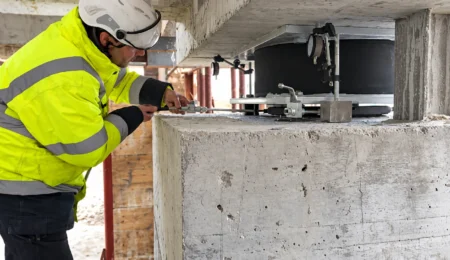
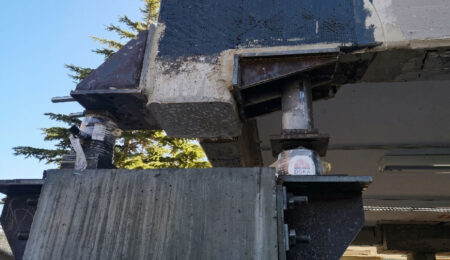
This is done through the interposition, between the base of the elevating structure (superstructure) and the foundations (substructure), of appropriate equipment called seismic isolators. These devices are designed to have much less stiffness for shear (horizontal) actions than stiffness for axial (vertical) actions.
Edilsystem, which has always been looking for innovative solutions to counter the vulnerability of Italy’s architectural heritage, is highly specialized in the installation of seismic isolators and dissipators. We design and implement interventions to ensure that civil, industrial, and historic buildings can withstand earthquakes, even large ones, without suffering structural damage.
structural and economic advantages
As for the devices, it is essential to design the insulation system keeping in mind that the first function they must fulfill is static: they must safely support the vertical loads of the superstructure.
At the same time, to counter the earthquake, they must offer:
- A low horizontal stiffness.
- An automatic re-centering of the system.
- The ability to limit discomfort and damage caused by vibration.
In areas of higher seismic hazard, insulation is cost-effective: in the long run, it reduces the cost of constructioncompared to traditional techniques, ensuring no significant damage (to either structural or nonstructural parts) in the event of severe seismic events.
Types of devices used
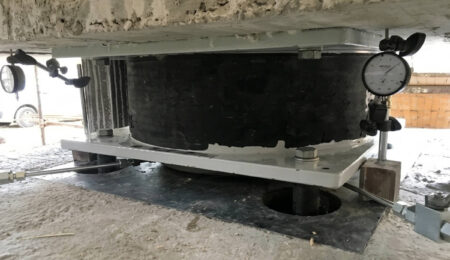
Basically, the devices that can be used for vertical load transmission and motion decoupling fall into two broad categories:
- Elastomeric material insulators: These consist of layers of elastomer (natural rubber, neoprene or other man-made materials) alternating with vulcanized steel plates. The steel is intended to drastically reduce the axial deformability of the device while maintaining horizontal elasticity.
- Sliding or rolling isolators: Based on contact between steel and Teflon surfaces, or on roller or ball systems. They are characterized
Dissipation techniques
energy
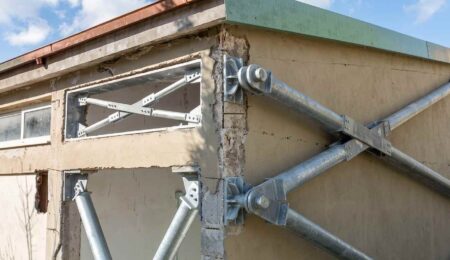
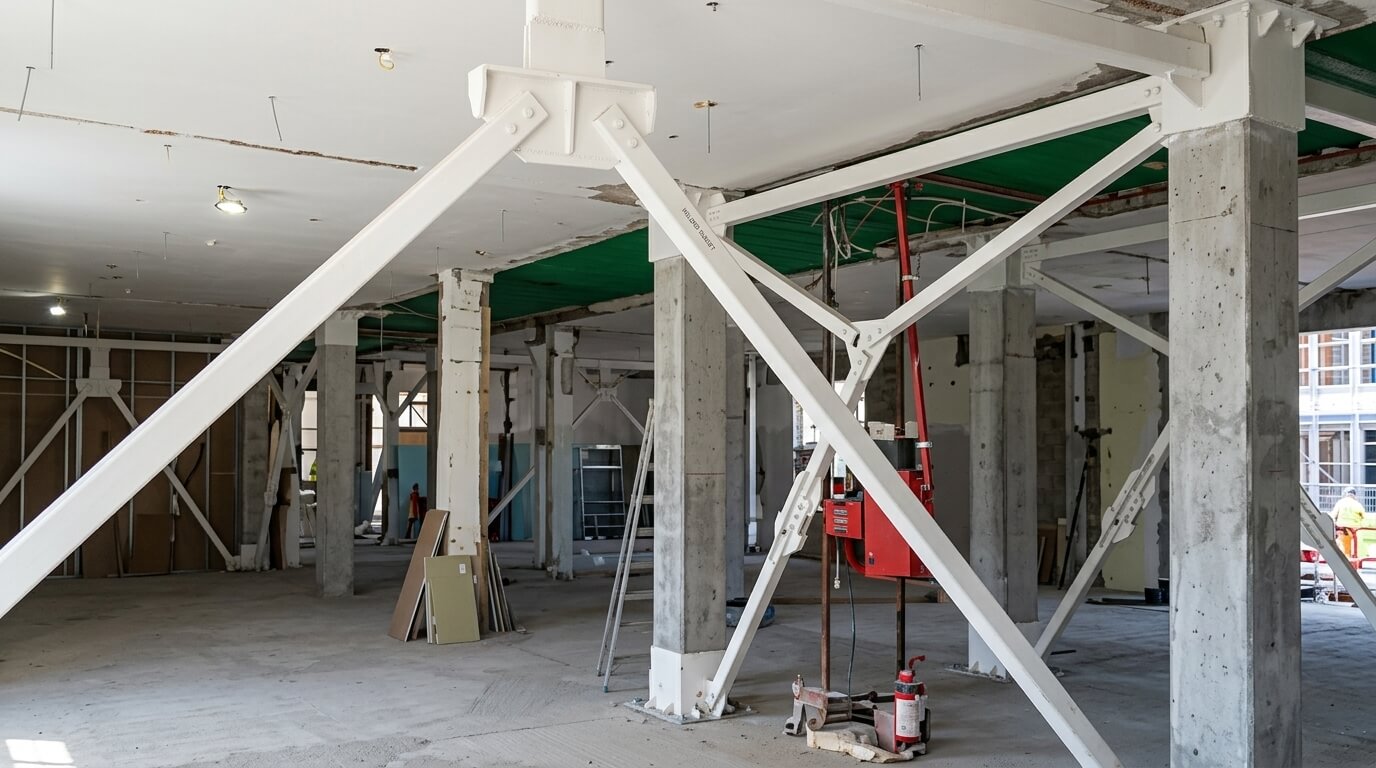
In addition to insulation at the base, Edilsystem specializes in inserting “dissipative bracing” into the structure. Special “dissipators” are inserted into these elements, capable, under seismic action, of absorbing enormous amounts of energy.
This significantly reduces stresses to the building, and damage to partitions and load-bearing structures is greatly limited due to the strong limitation of inter-story displacements.