
COMPOSITE MATERIALS
You Are Here: COMPOSITE MATERIALS
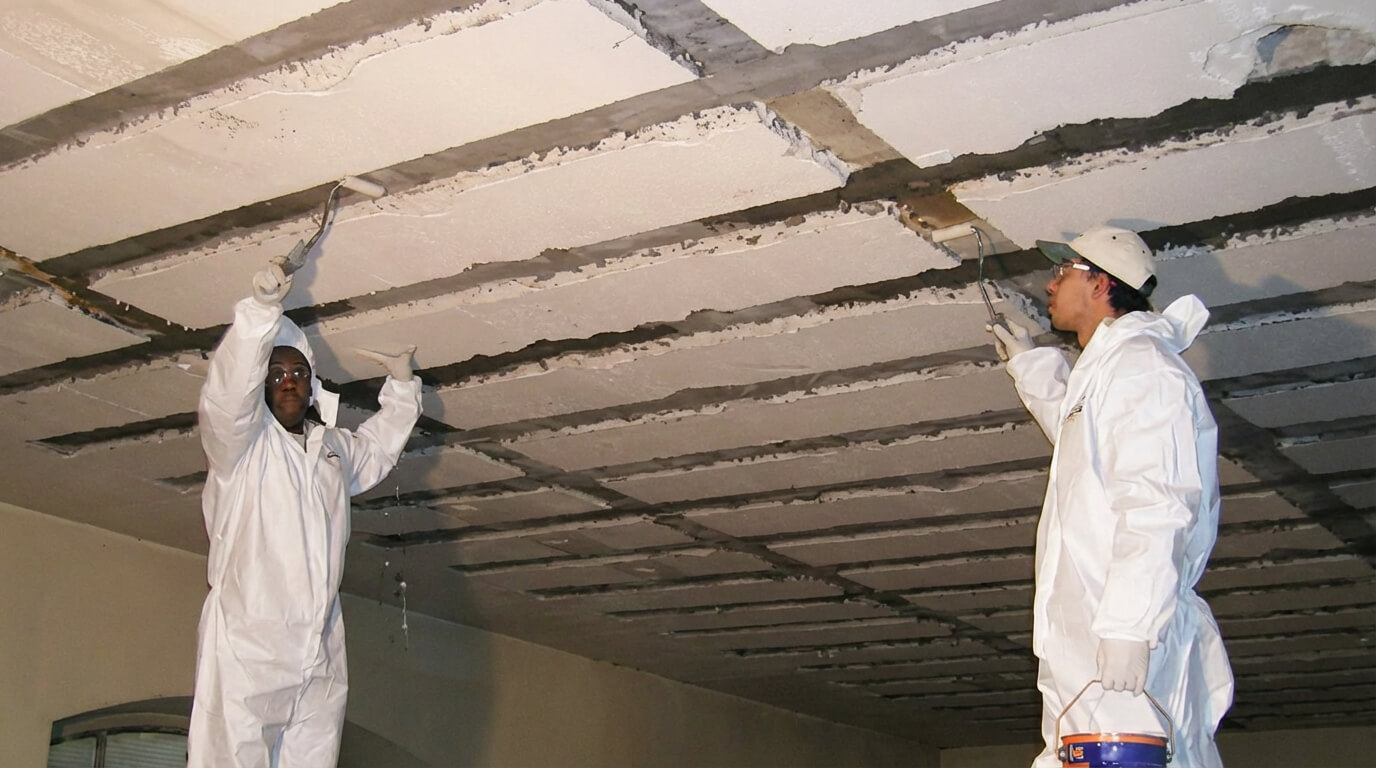
COMPOSITE MATERIALS: STRUCTURAL STRENGTHENING AND CONFINEMENT WITH FRP, FRCM AND CRM SYSTEMS
We use high-performance composite materials—based on carbon, glass, aramid, steel and basalt fibres—combined with resin-based or cementitious matrices to consolidate, strengthen and improve the safety of structural elements.
These technologies are used in residential and commercial buildings, industrial facilities, infrastructure and structures of historical, artistic and architectural significance. Thanks to their physical, mechanical and chemical properties, they enable targeted, minimally invasive, high-performance interventions on reinforced concrete, masonry, stone, brick, timber and vaulted structures.
They are used for column confinement, the strengthening of beams, floor slabs and masonry, and the consolidation of vaults, arches and timber structures, as well as for seismic improvement and retrofitting.
FRP, FRCM and CRM Systems
- FRP systems – Fibre Reinforced Polymer – consist of high-performance fibres impregnated with resin matrices, usually epoxy-based. They are suitable when high mechanical performance, minimal added thickness, low weight and rapid installation are required.
- FRCM systems – Fabric Reinforced Cementitious Matrix – combine reinforcing meshes or fabrics with inorganic matrices, such as lime-based or cementitious mortars. They are particularly suitable for consolidating masonry, vaults, arches and mineral substrates, including in historic buildings, thanks to their good compatibility with the substrate and the system’s vapour permeability.
- CRM systems – Composite Reinforced Mortar – use preformed composite meshes combined with structural mortars. They are mainly used for the distributed strengthening of existing masonry through thin reinforced plaster layers, with the aim of improving a building’s performance under static and seismic loads.
The choice between FRP, FRCM and CRM systems is determined by the type of structure, the existing material, the required performance and compatibility with the substrate.
Glass Fibres
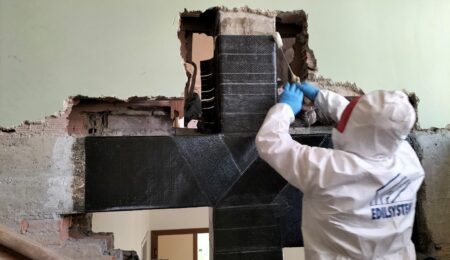
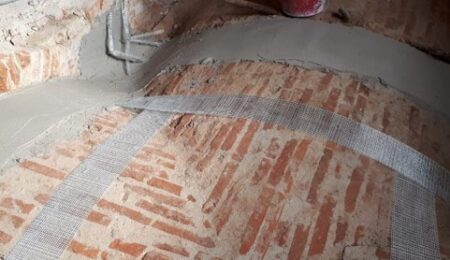
Glass fibres, particularly alkali-resistant grades, are widely used for their versatility, low weight and compatibility with inorganic matrices.
They are suitable for distributed masonry strengthening, the consolidation of vaults and arches, thin reinforced plaster applications, CRM systems and out-of-plane restraint systems for infill walls and partitions. They allow reinforcement to be distributed over large surfaces, improving the building’s performance under static and seismic loads.
Aramid Fibres
Aramid fibres offer high toughness, good tensile strength and low weight, together with considerable energy absorption capacity.
These properties make them suitable for applications subject to dynamic actions, vibrations, impacts or impulsive loads. They are appropriate for localised strengthening, protective measures and applications requiring greater energy dissipation capacity.
Carbon Fibres
Carbon fibres are among the highest-performing solutions for structural strengthening. They offer high tensile strength, a high modulus of elasticity, low weight and excellent durability.
They are applied as fabrics, strips or laminates for the flexural and shear strengthening of beams and floor slabs, column confinement, the strengthening of structural joints, and static or seismic retrofitting of reinforced-concrete, steel, timber and suitably prepared masonry structures.
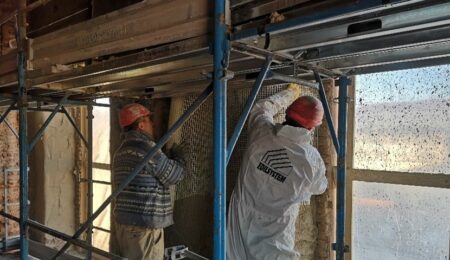
Basalt Meshes and Fibres
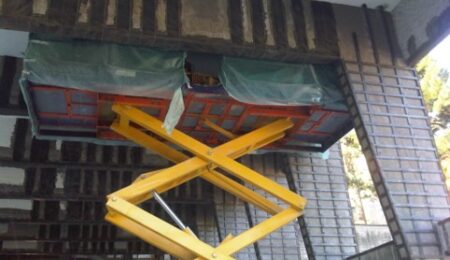
Basalt fibres are produced from volcanic rock and have excellent mechanical and physicochemical properties. They can be combined with resin-based, cementitious or hydraulic-binder matrices, ensuring good compatibility with a range of substrates.
They are characterised by high toughness, good abrasion resistance, low thermal, electrical and acoustic conductivity, chemical resistance and stability at high temperatures. For these reasons, they are used to consolidate masonry, vaults, structural elements and structures exposed to dynamic actions or aggressive environments.
Unidirectional Steel Fibre Fabrics
Ultra-high-tensile-strength steel (UHTSS) fibre fabrics consist of fine steel cords available in different densities and with various coatings, including brass, galvanised steel and stainless steel.
They can be impregnated with organic or inorganic matrices according to design requirements and environmental conditions. Thanks to the distinctive geometry of the steel cords, they provide high mechanical performance, excellent bonding and good workability during installation.
They are particularly effective for column confinement, strengthening masonry walls, forming connectors and applications in which the reinforcement is subject to concentrated loads, complex geometries or non-axial actions—conditions frequently encountered in seismic improvement and retrofitting work.
Organic and Inorganic Matrices
Organic matrices, mainly consisting of two-component epoxy resins, are used in FRP systems to provide strong adhesion to the substrate, high mechanical performance, minimal application thickness and rapid installation. They are particularly suitable for reinforced and prestressed concrete structures, but can also be used on suitably prepared masonry and natural stone.
Inorganic matrices, consisting of lime-based, cementitious or fibre-reinforced mortars, are used in FRCM and CRM systems. They offer good compatibility with masonry and mineral substrates, vapour permeability, resistance to high temperatures and suitability for work on historic and heritage buildings.
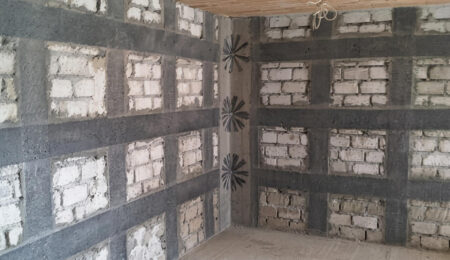
Applications
Composite FRP, FRCM and CRM systems are suitable for consolidating and strengthening:
- residential and commercial buildings, industrial facilities and infrastructure;
- historic, artistic and heritage structures;
- reinforced and prestressed concrete structures;
- load-bearing stone, brick or mixed masonry;
- vaults, arches, floor slabs and timber roofs;
- deteriorated, cracked or vulnerable structural elements.
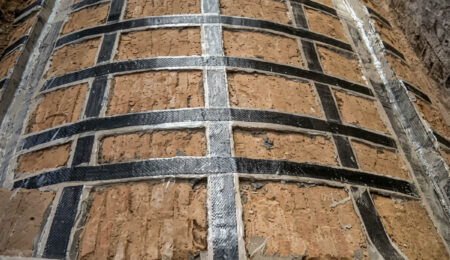
The use of composite materials makes it possible to improve safety and structural performance while minimising added weight, thickness and disruption, with solutions designed around the characteristics of the existing structure and the strengthening objectives.